

Five Dartmouth–Israeli research partnerships were funded in the inaugural Fall 2025 round of the Dartmouth-Kalaniyot Collaborative Ventures in the Sciences program. Each project pairs one or more Dartmouth faculty with colleagues at an Israeli university.
 Dr. Brad Duchaine
Professor
Department of Psychological and Brain Sciences
Dartmouth College
 Dr. Galit Yovel
Professor of Psychology
Faculty of Social Sciences, School of Psychological Sciences
Tel Aviv University
This project investigates how people translate mental images into words and how those words can be used to reconstruct internal visual representations. The team will develop an AI-based tool that generates images from textual descriptions, allowing them to test how accurately people can describe what they see and remember. The tool will also be applied clinically to individuals with prosopometamorphopsia (PMO), a disorder that causes striking face perception distortions that are difficult to communicate verbally. By comparing descriptions and generated images, this research aims to clarify how visual and language systems interact and to improve the visualization of PMO distortions.
 Dr. Rebecca A. Gallivan
Assistant Professor of Engineering
Thayer School of Engineering
Dartmouth College
 Dr. Israel Kellersztein
Senior Lecturer, Department of Materials Engineering
Ben-Gurion University of the Negev
This project examines how metal ions contribute to the strength, toughness, and damage resistance of natural materials such as scorpion shells. In nature, certain metals act as reversible connectors that break and reform, allowing materials to absorb energy and recover after stress. We will replicate this concept using 3D printing to create soft polymer networks containing different metal ions. By systematically varying the type, concentration, and placement of metals, we will assess their effects on mechanical performance. The goal is to establish design principles for advanced, adaptable materials for future technologies.
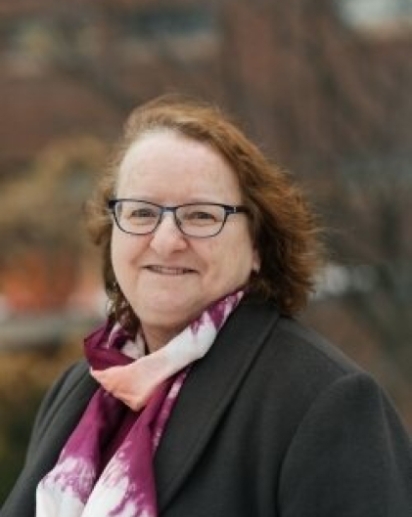 Dr. Marnie Halpern
Chair and Professor of Molecular and Systems Biology
Andrew J. Thomson Professorship
Dartmouth College
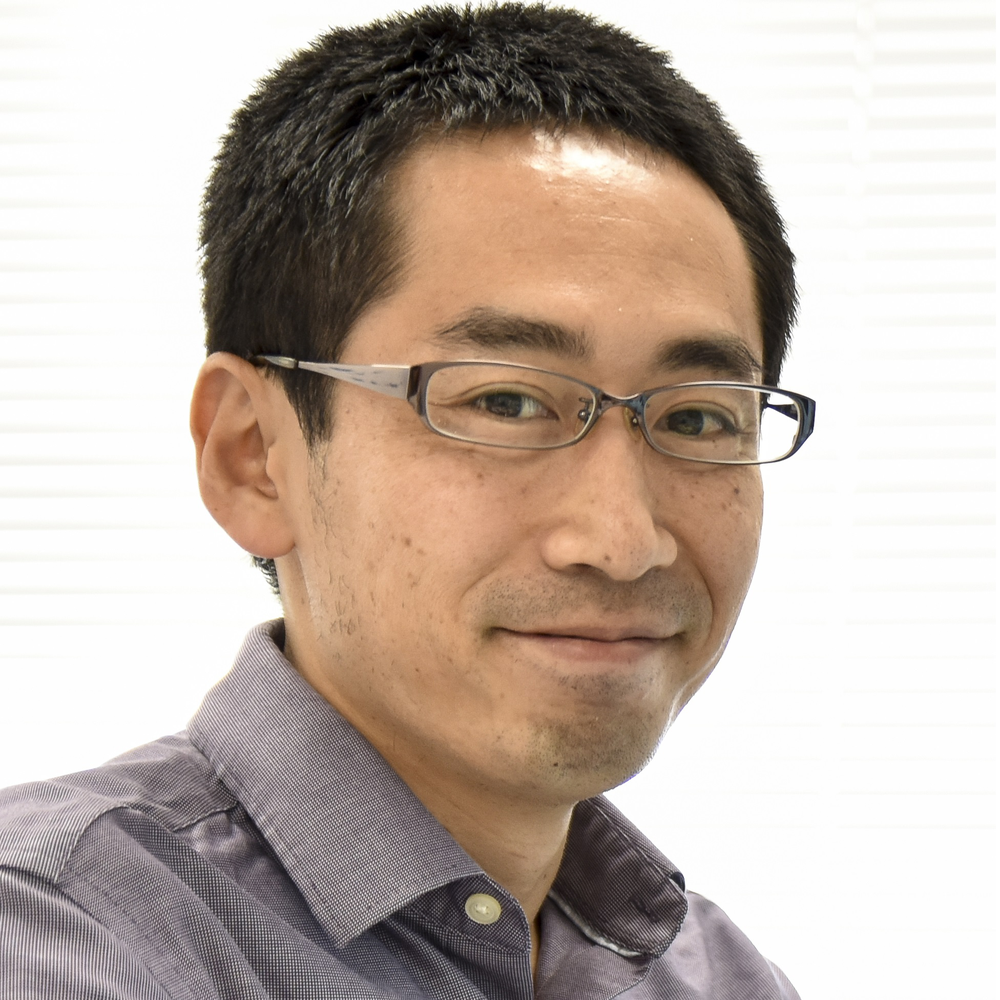 Dr. Takashi Kawashima
Birnbach Family Career Development Chair
Department of Brain Sciences
Weizmann Institute of Science
The laboratories of Dr. Marnie Halpern at the Geisel School of Medicine at Dartmouth and Dr. Takashi Kawashima at the Weizmann Institute of Science will collaborate to investigate how psychedelic substances act on a newly identified target in the brain to promote stress resilience. This research will advance our understanding of the biological mechanisms underlying stress responses and may inform the development of next-generation therapeutic strategies for mood-related disorders.
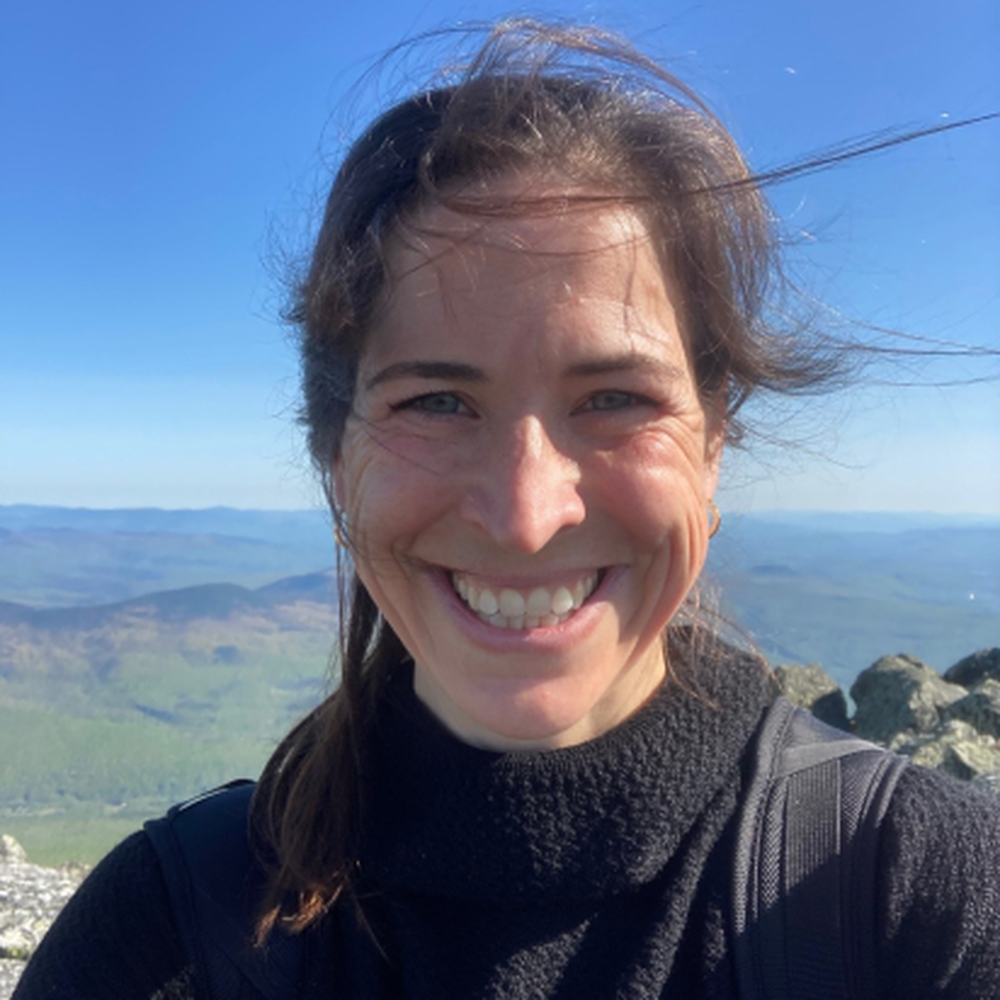 Dr. Marisa Palucis
Associate Professor
Department of Earth and Planetary Sciences
Dartmouth College
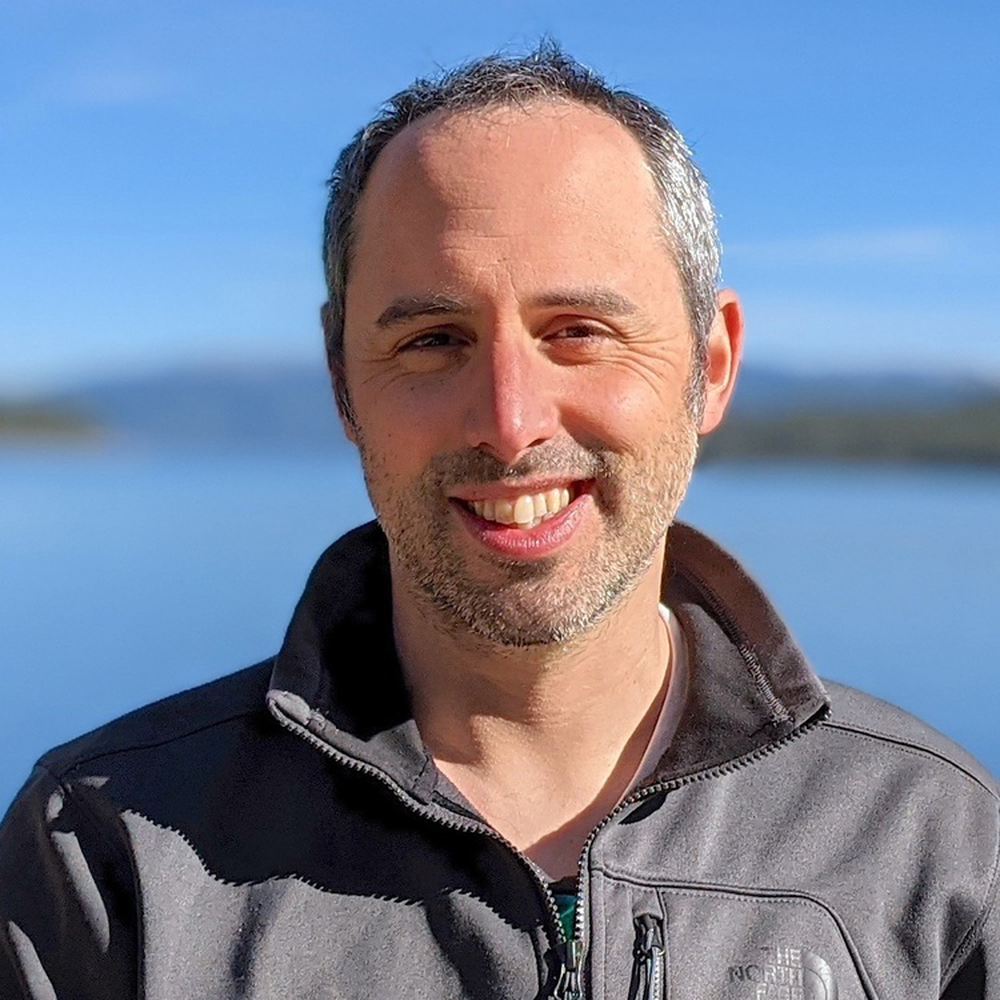 Dr. Lior Rubanenko
Senior Lecturer
Faculty of Exact Sciences, School of the Environment and Earth Sciences
Tel Aviv University
This project explores how water once flowed across the surface of Mars by analyzing large boulders distributed in and around the Jezero Crater, where NASA's Perseverance rover is currently operating. We will use artificial intelligence to automatically identify and measure boulders in high-resolution orbital images. By examining their size, spatial distribution, and location, we can estimate the strength and frequency of ancient water flows. These findings will help determine whether early Mars experienced sustained river activity or short-lived, high-energy flood events, improving our understanding of the planet's early climate.
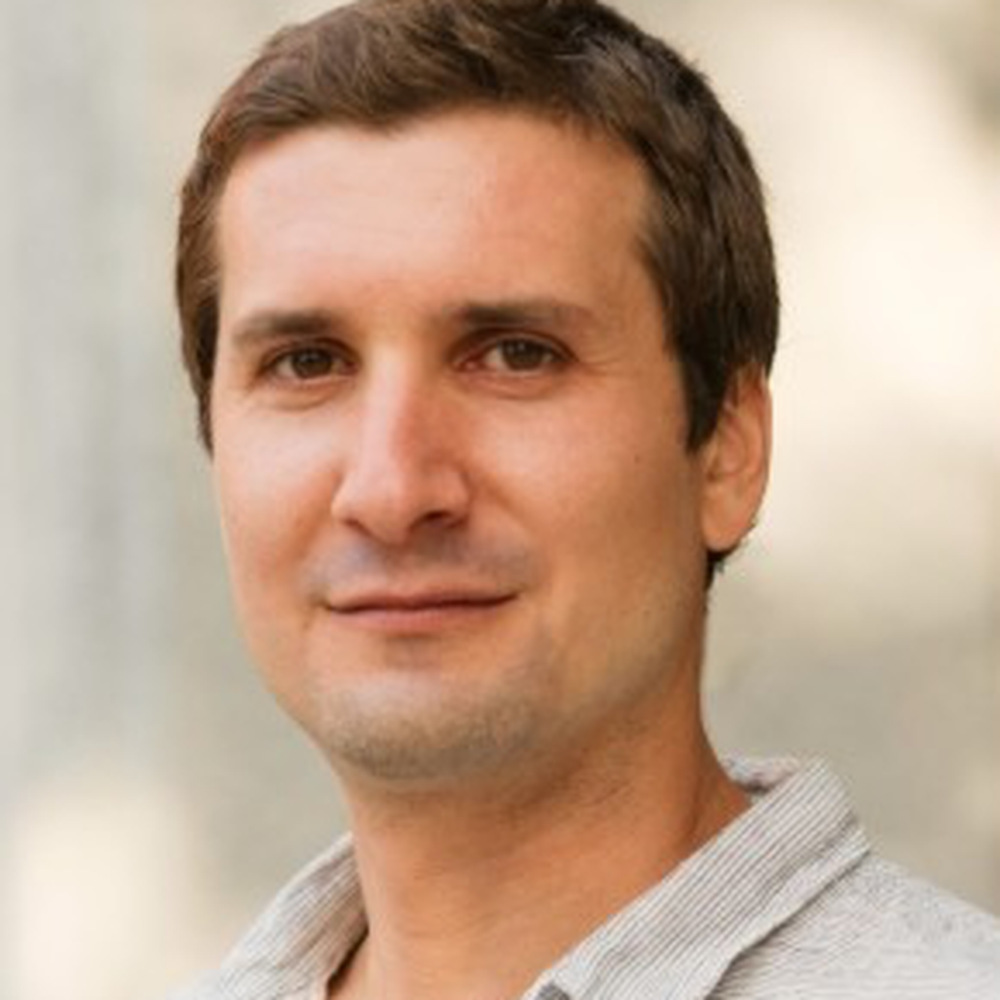 Dr. Paul Robustelli
Assistant Professor of Chemistry
Neukom Cluster of Computational Science
Departments of Chemistry and Biochemistry & Cell Biology
Dartmouth College
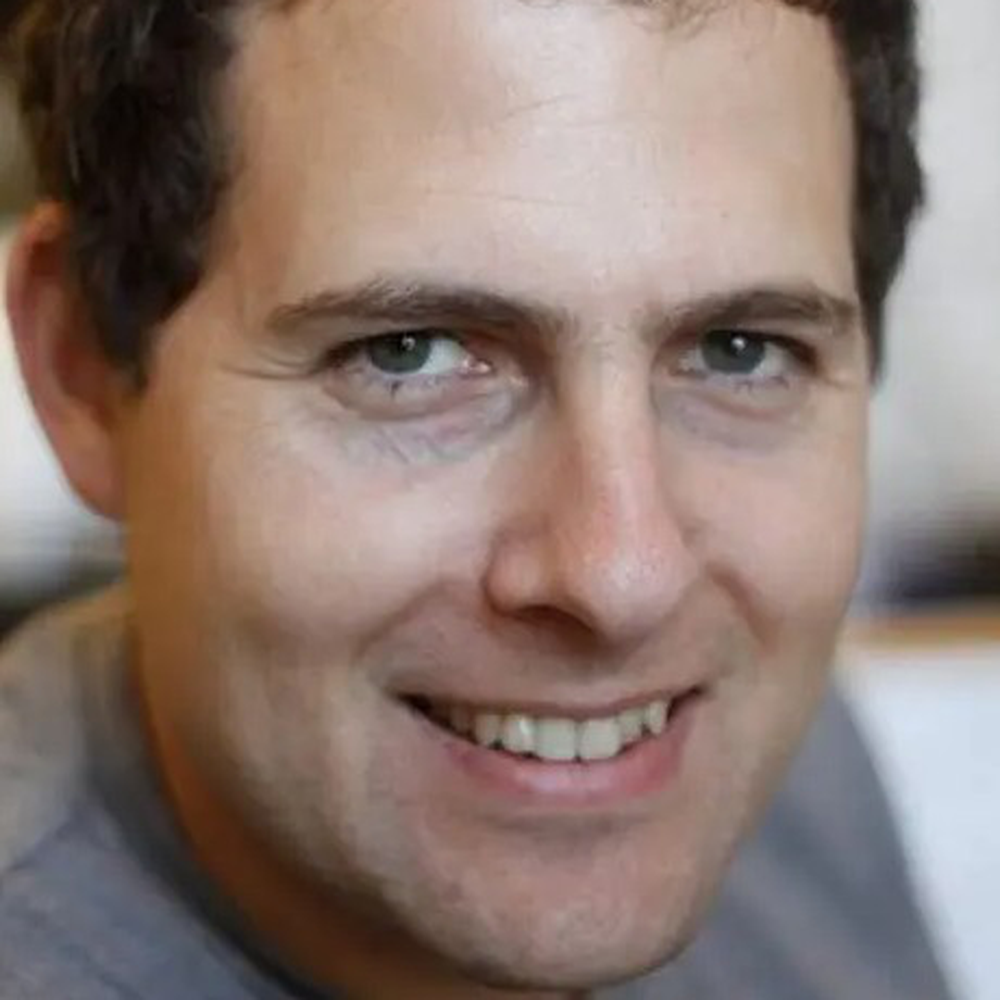 Dr. Gabriel Frank
Senior Lecturer, Department of Life Sciences
Ben-Gurion University of the Negev
This project focuses on a protein that enables Mycobacteria tuberculosis, the causative agent of tuberculosis, to survive inside the host by mediating the degradation of proteins damaged by the host's immune response. While much of this protein is well characterized, its flexible N-terminal region has an unresolved function. We will investigate how this region contributes to substrate selection and coordination of proteolytic activity. By combining experimental approaches with computational modeling, we aim to demonstrate that this region acts as a gatekeeper, enhancing specificity and cooperative function within the system. These insights may reveal mechanistically grounded strategies for weakening Mycobacteria and inform future drug development efforts.
† We are grateful for the generous additional support provided by Tel Aviv University's Lowy International School.
‡ We gratefully acknowledge the support of the Office of the Vice President and Dean for Research and Development at Ben-Gurion University.